Lilly Pilly Plants in Brisbane – Complete Growing Guide, Hedge Advice and Variety Comparison
Lilly Pilly plants are among the most widely planted hedging plants in Brisbane and across South East Queensland. Known for their dense evergreen foliage, fast growth, and ability to form thick privacy screens, Lilly Pillies are a favourite among homeowners, landscapers, and garden designers throughout the region.
In Brisbane suburbs where houses are often built close together, privacy screening has become an essential part of garden design. Lilly Pilly hedges provide an attractive natural barrier that improves both privacy and the overall appearance of a property.
Unlike artificial fences or screens, a living hedge offers seasonal colour, wildlife habitat, and a soft natural aesthetic that enhances outdoor spaces.
This guide explains everything you need to know about growing Lilly Pilly plants successfully in Brisbane. It covers the most popular hedge varieties, including Lilly Pilly Resilience, Lilly Pilly Select, and Lilly Pilly Plum Magic, along with planting advice, hedge spacing recommendations, watering requirements, pruning techniques, pest prevention, and long-term hedge maintenance.
Whether you are planning a privacy hedge, landscaping a new garden, or looking for fast growing screening plants, Lilly Pillies are one of the most reliable options for Brisbane gardens.
What Is a Lilly Pilly Plant?
The name “Lilly Pilly” refers to several evergreen plant species within the Syzygium and Acmena genera. These plants are native to Australia and parts of Southeast Asia and have long been used as ornamental shrubs and trees in Australian gardens.
Lilly Pilly plants are characterised by glossy green leaves, colourful new growth, and dense branching. Many varieties also produce small white flowers followed by decorative berries that can range in colour from pink to deep purple.
In their natural environment, some Lilly Pilly species grow into large rainforest trees. However, modern horticultural varieties have been specifically selected for landscaping purposes, particularly hedging and screening.
Because they grow quickly and respond extremely well to pruning, Lilly Pillies can easily be shaped into formal hedges or left to grow naturally as garden screens.
The Native Origins of Lilly Pilly Plants
Lilly Pillies are part of Australia’s native rainforest flora and have been growing in Australian ecosystems for thousands of years. Many species originate from coastal rainforests stretching from northern New South Wales through Queensland and into tropical regions further north.
Indigenous Australians traditionally used Lilly Pilly berries as a bush food. The fruit is edible and has a slightly tart flavour that can resemble cloves or cranberry depending on the species. Today the berries are sometimes used in jams, sauces, and desserts.
The natural resilience of these rainforest plants makes them well suited to modern urban landscapes. Their ability to tolerate pruning, adapt to different soil conditions, and grow quickly has made them one of Australia’s most widely used hedge plants.
Why Lilly Pilly Plants Are Ideal for Brisbane Gardens
Brisbane’s subtropical climate provides excellent growing conditions for Lilly Pilly plants. Warm summers, mild winters, and seasonal rainfall allow these native shrubs to grow vigorously while maintaining dense foliage throughout the year.
These plants are also extremely adaptable to different soil types and garden conditions. Once established, Lilly Pillies can tolerate heat, humidity, and occasional dry periods, making them particularly suitable for Brisbane landscapes.
Main Benefits of Lilly Pilly Hedges
- Fast growing screening plants
- Evergreen foliage year round
- Dense privacy hedges
- Native to Australia
- Low maintenance once established
- Respond extremely well to pruning
- Attractive colourful new growth
- Supports local wildlife and birds
Because of these advantages, Lilly Pillies are commonly planted along fences, beside driveways, around pools, and as boundary hedges across Brisbane suburbs.
Popular Lilly Pilly Varieties for Brisbane
There are many Lilly Pilly varieties available, but some perform particularly well in Brisbane conditions. The following three varieties are among the most popular hedge plants used by landscapers and homeowners throughout South East Queensland.
Lilly Pilly Resilience
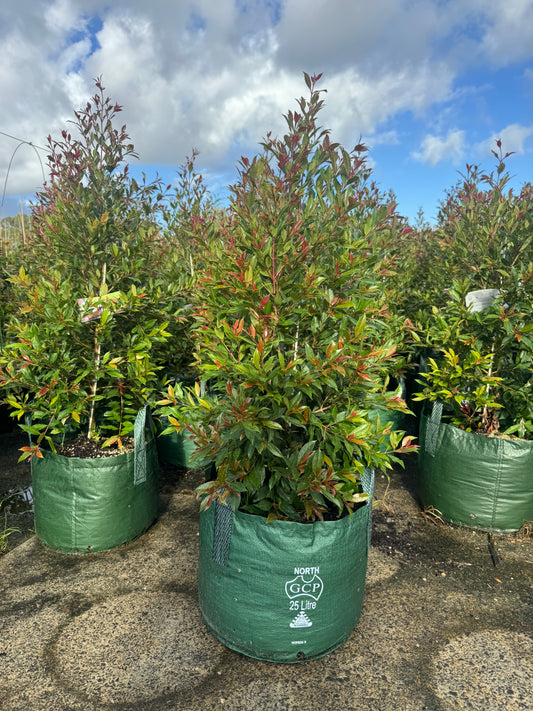
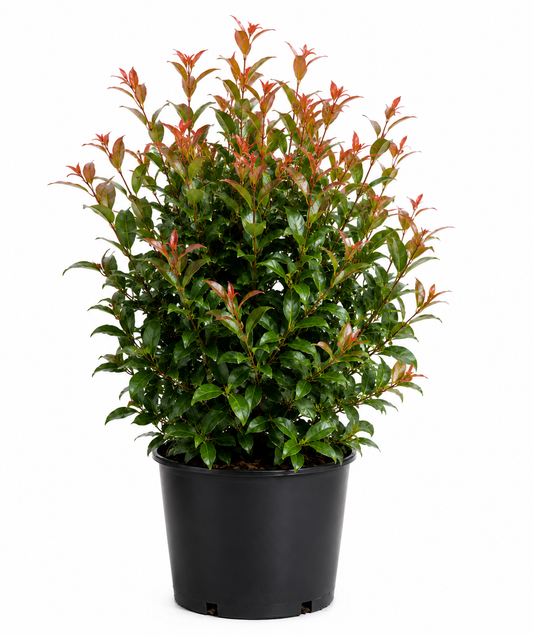
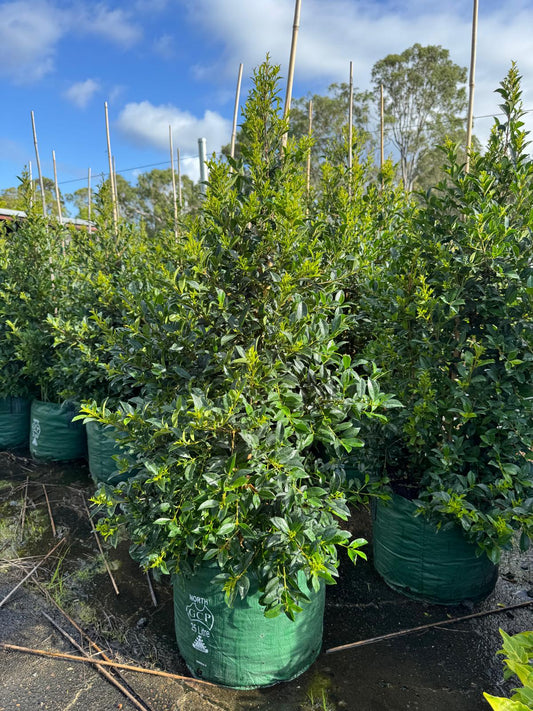
Lilly Pilly Resilience is one of the most widely planted hedge varieties in Australia. It is particularly valued for its strong resistance to the Lilly Pilly psyllid, a pest that can affect older varieties.
This variety produces glossy green leaves with vibrant pink new growth. As the foliage matures it becomes deep green and forms a dense hedge that provides excellent privacy.
Because of its vigorous growth habit, Resilience is commonly used for boundary hedges, large screening plants, and tall privacy barriers.
Typical height: 4–6 metres
Typical width: 2–3 metres
View this plant:
Lilly Pilly Resilience
Lilly Pilly Select
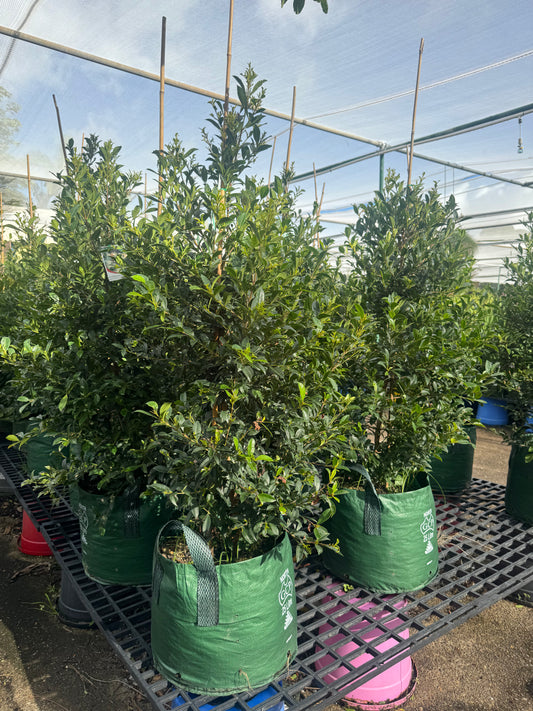
Lilly Pilly Select is another excellent hedge variety suited to Brisbane gardens. It has a slightly more compact growth habit compared with some larger varieties while still producing dense foliage.
The leaves are glossy green and new growth often emerges with reddish tones before maturing.
This variety is ideal for suburban gardens where homeowners want a hedge that can be maintained at a manageable height.
Typical height: 4–5 metres
View this plant:
Lilly Pilly Select
Lilly Pilly Plum Magic
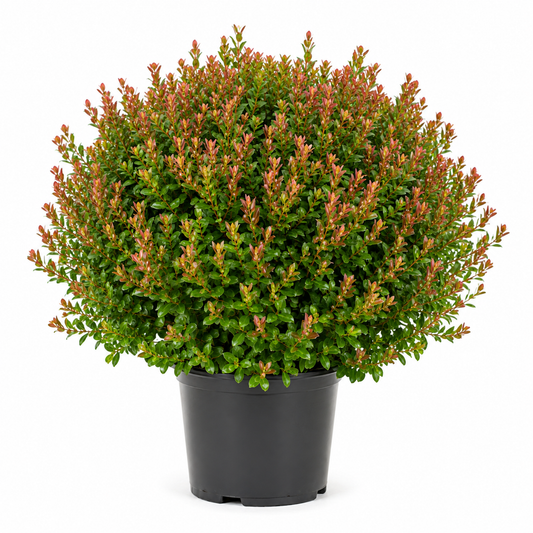
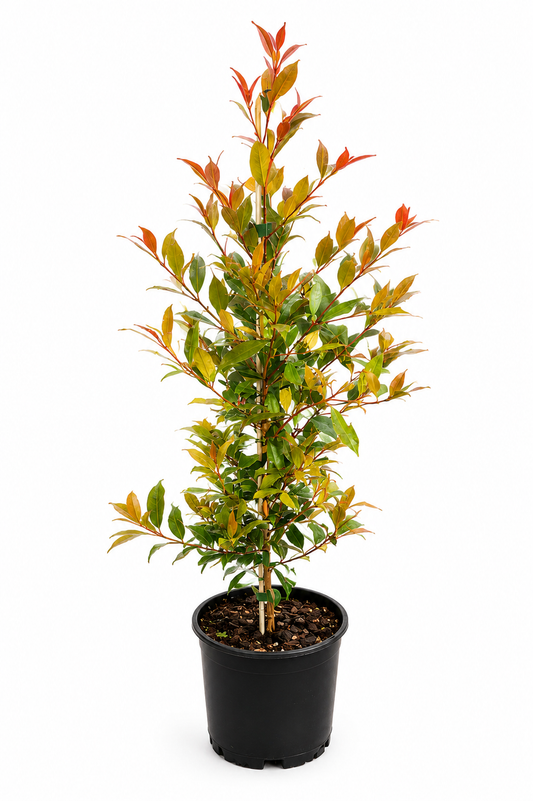
Lilly Pilly Plum Magic is known for its striking colourful foliage. New leaves emerge in deep plum or purple tones before gradually turning green.
This colourful new growth makes Plum Magic particularly attractive in modern landscape designs.
Like other Lilly Pilly varieties, Plum Magic forms a dense hedge when pruned regularly.
Typical height: 3–5 metres
View this plant:
Lilly Pilly Plum Magic
Best Time to Plant Lilly Pilly in Brisbane
Lilly Pilly plants can technically be planted throughout the year in Brisbane, but the best planting periods are during autumn and spring when temperatures are moderate and rainfall is more reliable.
Planting during these seasons allows the root system to establish before the extreme heat of summer. Plants installed in autumn often develop strong roots over winter and grow rapidly in spring.
While summer planting is possible, additional watering will usually be required to prevent heat stress during the establishment phase.
How to Plant a Lilly Pilly Hedge
Planting a Lilly Pilly hedge correctly is the key to establishing a dense healthy screen.
Choosing the Right Location
Lilly Pillies grow best in:
- Full sun to partial shade
- Well drained soil
- Areas protected from strong winds
Most Brisbane gardens provide suitable conditions.
Preparing the Soil
Good soil preparation helps plants establish faster.
- Dig a trench instead of individual holes
- Add compost or organic matter
- Improve drainage if soil is heavy clay
Healthy soil provides nutrients needed for rapid growth.
Hedge Spacing
Spacing depends on the variety and desired hedge thickness.
- Small hedge plants: 50–70 cm apart
- Medium hedge plants: 70–100 cm apart
- Larger screening plants: 1–1.5 metres apart
Closer spacing will produce a dense hedge more quickly.
Soil Types and Drainage in Brisbane
Many Brisbane gardens contain clay-based soils which can become compacted or waterlogged during heavy rainfall. Lilly Pillies generally tolerate these conditions but benefit from improved drainage.
Adding compost, organic matter, and gypsum can help improve soil structure in clay soils. Raised garden beds can also be useful in areas with poor drainage.
In sandy soils, organic compost and mulch help retain moisture and provide nutrients for healthy growth.
Watering Lilly Pilly Plants
Consistent watering is essential during the first year after planting. Young plants require regular moisture while their root systems establish.
Water deeply two to three times per week during warm weather. In Brisbane’s hot summers additional watering may be required during dry periods.
Once established, Lilly Pillies become relatively drought tolerant, although occasional deep watering will encourage stronger growth.
Applying mulch around the base of plants helps retain soil moisture and regulate soil temperature.
Mulching Lilly Pilly Hedges
Mulch is extremely beneficial for newly planted hedges. A thick layer of organic mulch helps conserve moisture, regulate soil temperature, and suppress weeds.
Common mulch options include:
- Pine bark mulch
- Wood chip mulch
- Sugar cane mulch
A mulch layer of around 5–8 cm is usually ideal. Keep mulch slightly away from the plant trunk to prevent rot.
Fertilising Lilly Pilly Hedges
Feeding Lilly Pilly plants encourages vigorous growth and dense foliage.
Use a slow release fertiliser formulated for Australian native plants.
Apply fertiliser during the main growing seasons:
Over-fertilising should be avoided because overly soft growth can attract pests.
Pruning Lilly Pilly Hedges
Lilly Pillies respond extremely well to pruning. Regular trimming encourages dense branching and helps maintain a neat hedge shape.
Frequent light pruning produces thicker hedges compared with occasional heavy trimming.
For formal hedges, trimming several times per year during the growing season will maintain a tidy appearance.
When pruning tall hedges, trimming the sides slightly narrower at the top allows sunlight to reach lower foliage, preventing the hedge from becoming sparse at the base.
Lilly Pilly Pests and Psyllids
The most common pest affecting Lilly Pilly plants is the Lilly Pilly psyllid.
This tiny insect causes bumps or pimple-like distortions on leaves.
Fortunately, many modern varieties are bred specifically for psyllid resistance.
Resistant varieties include:
- Lilly Pilly Resilience
- Lilly Pilly Select
- Lilly Pilly Plum Magic
Choosing resistant varieties is the easiest way to prevent pest problems.
How Fast Do Lilly Pilly Hedges Grow?
In Brisbane’s climate, Lilly Pilly plants grow quickly when planted in good soil and watered regularly.
Most varieties grow between 50 centimetres and 1 metre per year.
This means a privacy hedge can often be established within a few years.
Growing Lilly Pilly in Pots
Lilly Pilly plants can also be grown successfully in large pots or planter boxes. This makes them useful for courtyards, balconies, and small urban gardens.
When growing in containers:
- Choose a large pot with good drainage
- Use high quality potting mix
- Water regularly
- Fertilise during the growing season
Potted Lilly Pillies may require more frequent watering compared with plants growing in the ground.
Wildlife Benefits of Lilly Pilly Plants
Lilly Pilly plants provide important habitat and food sources for wildlife.
Their flowers attract pollinating insects such as bees, while the berries are eaten by many bird species including parrots, currawongs, and other native birds.
Dense hedges also create safe nesting areas and shelter for small wildlife.
Landscaping Ideas Using Lilly Pillies
Lilly Pillies are extremely versatile plants and can be used in many landscape designs.
Privacy Hedges
The most common use is creating a dense hedge along fences and property boundaries.
Garden Screening
Lilly Pillies can hide sheds, fences, or neighbouring buildings.
Driveway Borders
They create elegant green borders along driveways and walkways.
Pool Landscaping
Dense hedges provide privacy and wind protection around pools.
Feature Trees
Larger varieties can also be grown as ornamental trees.
Growing Lilly Pillies Across Brisbane Suburbs
Lilly Pilly plants grow successfully across Brisbane suburbs including Indooroopilly, Kenmore, Chapel Hill, The Gap, Ashgrove, Paddington, and Carindale.
They are also widely planted in areas such as Sunnybank, Mount Gravatt, Wishart, and Rochedale where homeowners use hedges to create privacy between neighbouring properties.
Because Lilly Pillies tolerate Brisbane’s warm climate and seasonal rainfall patterns, they perform well across most parts of the city.
Conclusion
Lilly Pilly plants remain one of the best hedge plants for Brisbane gardens. Their dense evergreen foliage, rapid growth, and adaptability make them ideal for privacy screens and landscaping projects.
By choosing the right variety and following proper planting and maintenance practices, gardeners can create lush green hedges that provide privacy and beauty for many years.
Whether you choose Resilience, Select, or Plum Magic, Lilly Pillies are a reliable and attractive choice for Brisbane landscapes.
Lilly Pilly Plants – Varieties, Care & Buying Guide
Lilly Pilly Plants in Brisbane – Complete Growing Guide, Hedge Advice and Variety Comparison
Lilly Pilly plants are among the most widely planted hedging plants in Brisbane and across South East Queensland. Known for their dense evergreen foliage, fast growth, and ability to form thick privacy screens, Lilly Pillies are a favourite among homeowners, landscapers, and garden designers throughout the region.
In Brisbane suburbs where houses are often built close together, privacy screening has become an essential part of garden design. Lilly Pilly hedges provide an attractive natural barrier that improves both privacy and the overall appearance of a property.
Unlike artificial fences or screens, a living hedge offers seasonal colour, wildlife habitat, and a soft natural aesthetic that enhances outdoor spaces.
This guide explains everything you need to know about growing Lilly Pilly plants successfully in Brisbane. It covers the most popular hedge varieties, including Lilly Pilly Resilience, Lilly Pilly Select, and Lilly Pilly Plum Magic, along with planting advice, hedge spacing recommendations, watering requirements, pruning techniques, pest prevention, and long-term hedge maintenance.
Whether you are planning a privacy hedge, landscaping a new garden, or looking for fast growing screening plants, Lilly Pillies are one of the most reliable options for Brisbane gardens.
What Is a Lilly Pilly Plant?
The name “Lilly Pilly” refers to several evergreen plant species within the Syzygium and Acmena genera. These plants are native to Australia and parts of Southeast Asia and have long been used as ornamental shrubs and trees in Australian gardens.
Lilly Pilly plants are characterised by glossy green leaves, colourful new growth, and dense branching. Many varieties also produce small white flowers followed by decorative berries that can range in colour from pink to deep purple.
In their natural environment, some Lilly Pilly species grow into large rainforest trees. However, modern horticultural varieties have been specifically selected for landscaping purposes, particularly hedging and screening.
Because they grow quickly and respond extremely well to pruning, Lilly Pillies can easily be shaped into formal hedges or left to grow naturally as garden screens.
The Native Origins of Lilly Pilly Plants
Lilly Pillies are part of Australia’s native rainforest flora and have been growing in Australian ecosystems for thousands of years. Many species originate from coastal rainforests stretching from northern New South Wales through Queensland and into tropical regions further north.
Indigenous Australians traditionally used Lilly Pilly berries as a bush food. The fruit is edible and has a slightly tart flavour that can resemble cloves or cranberry depending on the species. Today the berries are sometimes used in jams, sauces, and desserts.
The natural resilience of these rainforest plants makes them well suited to modern urban landscapes. Their ability to tolerate pruning, adapt to different soil conditions, and grow quickly has made them one of Australia’s most widely used hedge plants.
Why Lilly Pilly Plants Are Ideal for Brisbane Gardens
Brisbane’s subtropical climate provides excellent growing conditions for Lilly Pilly plants. Warm summers, mild winters, and seasonal rainfall allow these native shrubs to grow vigorously while maintaining dense foliage throughout the year.
These plants are also extremely adaptable to different soil types and garden conditions. Once established, Lilly Pillies can tolerate heat, humidity, and occasional dry periods, making them particularly suitable for Brisbane landscapes.
Main Benefits of Lilly Pilly Hedges
- Fast growing screening plants
- Evergreen foliage year round
- Dense privacy hedges
- Native to Australia
- Low maintenance once established
- Respond extremely well to pruning
- Attractive colourful new growth
- Supports local wildlife and birds
Because of these advantages, Lilly Pillies are commonly planted along fences, beside driveways, around pools, and as boundary hedges across Brisbane suburbs.
Popular Lilly Pilly Varieties for Brisbane
There are many Lilly Pilly varieties available, but some perform particularly well in Brisbane conditions. The following three varieties are among the most popular hedge plants used by landscapers and homeowners throughout South East Queensland.
Lilly Pilly Resilience
Lilly Pilly Resilience is one of the most widely planted hedge varieties in Australia. It is particularly valued for its strong resistance to the Lilly Pilly psyllid, a pest that can affect older varieties.
This variety produces glossy green leaves with vibrant pink new growth. As the foliage matures it becomes deep green and forms a dense hedge that provides excellent privacy.
Because of its vigorous growth habit, Resilience is commonly used for boundary hedges, large screening plants, and tall privacy barriers.
Typical height: 4–6 metres
Typical width: 2–3 metres
View this plant:
Lilly Pilly Resilience
Lilly Pilly Select
Lilly Pilly Select is another excellent hedge variety suited to Brisbane gardens. It has a slightly more compact growth habit compared with some larger varieties while still producing dense foliage.
The leaves are glossy green and new growth often emerges with reddish tones before maturing.
This variety is ideal for suburban gardens where homeowners want a hedge that can be maintained at a manageable height.
Typical height: 4–5 metres
View this plant:
Lilly Pilly Select
Lilly Pilly Plum Magic
Lilly Pilly Plum Magic is known for its striking colourful foliage. New leaves emerge in deep plum or purple tones before gradually turning green.
This colourful new growth makes Plum Magic particularly attractive in modern landscape designs.
Like other Lilly Pilly varieties, Plum Magic forms a dense hedge when pruned regularly.
Typical height: 3–5 metres
View this plant:
Lilly Pilly Plum Magic
Best Time to Plant Lilly Pilly in Brisbane
Lilly Pilly plants can technically be planted throughout the year in Brisbane, but the best planting periods are during autumn and spring when temperatures are moderate and rainfall is more reliable.
Planting during these seasons allows the root system to establish before the extreme heat of summer. Plants installed in autumn often develop strong roots over winter and grow rapidly in spring.
While summer planting is possible, additional watering will usually be required to prevent heat stress during the establishment phase.
How to Plant a Lilly Pilly Hedge
Planting a Lilly Pilly hedge correctly is the key to establishing a dense healthy screen.
Choosing the Right Location
Lilly Pillies grow best in:
- Full sun to partial shade
- Well drained soil
- Areas protected from strong winds
Most Brisbane gardens provide suitable conditions.
Preparing the Soil
Good soil preparation helps plants establish faster.
- Dig a trench instead of individual holes
- Add compost or organic matter
- Improve drainage if soil is heavy clay
Healthy soil provides nutrients needed for rapid growth.
Hedge Spacing
Spacing depends on the variety and desired hedge thickness.
- Small hedge plants: 50–70 cm apart
- Medium hedge plants: 70–100 cm apart
- Larger screening plants: 1–1.5 metres apart
Closer spacing will produce a dense hedge more quickly.
Soil Types and Drainage in Brisbane
Many Brisbane gardens contain clay-based soils which can become compacted or waterlogged during heavy rainfall. Lilly Pillies generally tolerate these conditions but benefit from improved drainage.
Adding compost, organic matter, and gypsum can help improve soil structure in clay soils. Raised garden beds can also be useful in areas with poor drainage.
In sandy soils, organic compost and mulch help retain moisture and provide nutrients for healthy growth.
Watering Lilly Pilly Plants
Consistent watering is essential during the first year after planting. Young plants require regular moisture while their root systems establish.
Water deeply two to three times per week during warm weather. In Brisbane’s hot summers additional watering may be required during dry periods.
Once established, Lilly Pillies become relatively drought tolerant, although occasional deep watering will encourage stronger growth.
Applying mulch around the base of plants helps retain soil moisture and regulate soil temperature.
Mulching Lilly Pilly Hedges
Mulch is extremely beneficial for newly planted hedges. A thick layer of organic mulch helps conserve moisture, regulate soil temperature, and suppress weeds.
Common mulch options include:
- Pine bark mulch
- Wood chip mulch
- Sugar cane mulch
A mulch layer of around 5–8 cm is usually ideal. Keep mulch slightly away from the plant trunk to prevent rot.
Fertilising Lilly Pilly Hedges
Feeding Lilly Pilly plants encourages vigorous growth and dense foliage.
Use a slow release fertiliser formulated for Australian native plants.
Apply fertiliser during the main growing seasons:
Over-fertilising should be avoided because overly soft growth can attract pests.
Pruning Lilly Pilly Hedges
Lilly Pillies respond extremely well to pruning. Regular trimming encourages dense branching and helps maintain a neat hedge shape.
Frequent light pruning produces thicker hedges compared with occasional heavy trimming.
For formal hedges, trimming several times per year during the growing season will maintain a tidy appearance.
When pruning tall hedges, trimming the sides slightly narrower at the top allows sunlight to reach lower foliage, preventing the hedge from becoming sparse at the base.
Lilly Pilly Pests and Psyllids
The most common pest affecting Lilly Pilly plants is the Lilly Pilly psyllid.
This tiny insect causes bumps or pimple-like distortions on leaves.
Fortunately, many modern varieties are bred specifically for psyllid resistance.
Resistant varieties include:
- Lilly Pilly Resilience
- Lilly Pilly Select
- Lilly Pilly Plum Magic
Choosing resistant varieties is the easiest way to prevent pest problems.
How Fast Do Lilly Pilly Hedges Grow?
In Brisbane’s climate, Lilly Pilly plants grow quickly when planted in good soil and watered regularly.
Most varieties grow between 50 centimetres and 1 metre per year.
This means a privacy hedge can often be established within a few years.
Growing Lilly Pilly in Pots
Lilly Pilly plants can also be grown successfully in large pots or planter boxes. This makes them useful for courtyards, balconies, and small urban gardens.
When growing in containers:
- Choose a large pot with good drainage
- Use high quality potting mix
- Water regularly
- Fertilise during the growing season
Potted Lilly Pillies may require more frequent watering compared with plants growing in the ground.
Wildlife Benefits of Lilly Pilly Plants
Lilly Pilly plants provide important habitat and food sources for wildlife.
Their flowers attract pollinating insects such as bees, while the berries are eaten by many bird species including parrots, currawongs, and other native birds.
Dense hedges also create safe nesting areas and shelter for small wildlife.
Landscaping Ideas Using Lilly Pillies
Lilly Pillies are extremely versatile plants and can be used in many landscape designs.
Privacy Hedges
The most common use is creating a dense hedge along fences and property boundaries.
Garden Screening
Lilly Pillies can hide sheds, fences, or neighbouring buildings.
Driveway Borders
They create elegant green borders along driveways and walkways.
Pool Landscaping
Dense hedges provide privacy and wind protection around pools.
Feature Trees
Larger varieties can also be grown as ornamental trees.
Growing Lilly Pillies Across Brisbane Suburbs
Lilly Pilly plants grow successfully across Brisbane suburbs including Indooroopilly, Kenmore, Chapel Hill, The Gap, Ashgrove, Paddington, and Carindale.
They are also widely planted in areas such as Sunnybank, Mount Gravatt, Wishart, and Rochedale where homeowners use hedges to create privacy between neighbouring properties.
Because Lilly Pillies tolerate Brisbane’s warm climate and seasonal rainfall patterns, they perform well across most parts of the city.
Conclusion
Lilly Pilly plants remain one of the best hedge plants for Brisbane gardens. Their dense evergreen foliage, rapid growth, and adaptability make them ideal for privacy screens and landscaping projects.
By choosing the right variety and following proper planting and maintenance practices, gardeners can create lush green hedges that provide privacy and beauty for many years.
Whether you choose Resilience, Select, or Plum Magic, Lilly Pillies are a reliable and attractive choice for Brisbane landscapes.